
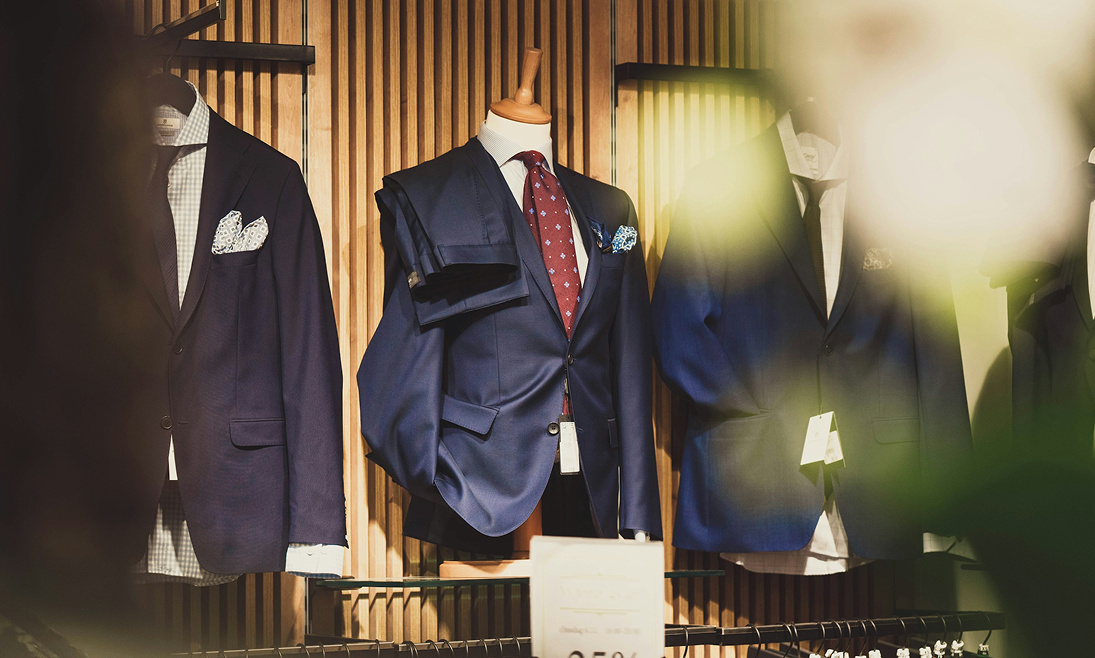
When it comes to men’s formal wear, nothing speaks louder than a perfectly fitted suit. Whether you’re preparing for a job interview, wedding, business meeting, or special occasion, understanding proper suit fitting techniques can transform your appearance and boost your confidence. This comprehensive guide covers everything you need to know about achieving the perfect suit fit, from shoulder alignment to trouser break.
At ManGii, we specialize in custom tailoring that ensures every suit fits you perfectly. With years of expertise in bespoke menswear, we understand that the difference between looking good and looking exceptional lies in the details of proper fit. Let’s explore the essential suit fitting tips that guide our master tailors—and can help you make informed decisions about your next suit.
Why Proper Suit Fit Matters
Before diving into specific suit fitting tips, it’s essential to understand why fit trumps everything else, including fabric quality and brand name. A well-fitted suit enhances your body proportions, projects professionalism, and ensures comfort throughout the day. Conversely, an ill-fitting suit—no matter how expensive—can undermine your appearance and make you look sloppy or unprofessional.
The difference between an off-the-rack suit and a tailored suit often comes down to alterations and proper fit adjustments. Even ready-to-wear suits benefit significantly from professional tailoring to accommodate your unique body shape and measurements. This is where custom tailoring services like ManGii make all the difference—by creating suits specifically designed for your body from the ground up, eliminating the compromises inherent in mass-produced garments.
Essential Suit Fitting Tips for the Shoulders
1. The Shoulder Seam Should Align with Your Natural Shoulder
The most critical aspect of suit fitting is the shoulder. The shoulder seam should sit exactly where your natural shoulder ends and your arm begins. This is the one area that’s nearly impossible to alter, making it the foundation of proper suit fit.
How to check: Stand naturally and look in a mirror. The seam should create a clean line without any divots, puckering, or fabric pulling. If the seam extends past your shoulder, the jacket is too large. If it sits on top of your shoulder, it’s too small.
2. Avoid Shoulder Divots and Pulling
When you see indentations or pulling at the shoulder seam, it indicates a poor fit. Shoulder divots occur when the jacket is too tight, causing the fabric to collapse inward. This creates an unflattering silhouette and restricts movement.
3. Check for Proper Padding and Structure
The shoulder padding should enhance your natural shape without looking overly boxy or military-like. Modern suit styles favor more natural, soft shoulders compared to the heavily padded styles of the 1980s. The jacket construction should complement your body type rather than fighting against it.
Jacket Length and Proportions
4. The Perfect Jacket Length Rule
A properly fitted suit jacket should cover your seat and end where your fingers curl when your arms hang naturally at your sides. This traditional rule ensures proper proportions and balance in your overall silhouette.
5. Consider Your Height and Body Type
Taller men can wear slightly longer jackets, while shorter men should opt for shorter cuts to avoid looking overwhelmed by fabric. The goal is to create visual balance and proportion rather than following a one-size-fits-all approach.
6. Balance Between Jacket and Trouser Visibility
Your jacket length affects how much of your trousers show. Ideally, you want to see some trouser fabric below the jacket hem, but not so much that it creates a disconnected appearance. This balance is crucial for achieving a cohesive, well-dressed look.
Collar and Lapel Fitting Guidelines
7. The Collar Should Hug Your Shirt Collar
One of the most telling signs of proper suit alterations is how the jacket collar sits against your shirt collar. There should be about a half-inch of shirt collar visible above the jacket collar, and the jacket collar should lie flat against your neck without gaping.
The gap test: If you can fit more than two fingers between your neck and the jacket collar, the fit needs adjustment. A collar gap indicates that the jacket is either too large or needs collar alterations.
8. Check Collar Roll and Smoothness
The collar should roll smoothly around your neck without any breaks, wrinkles, or pulling. When viewed from behind, the collar should create a clean, continuous line following the natural curve of your neck and shoulders.
9. Lapel Width Should Complement Your Build
While lapel width is partly a style choice, it should also complement your body frame. Wider lapels suit broader-shouldered men, while narrower lapels work better for slim builds. The general rule is that lapel width should roughly match the width of your tie.
Sleeve Length and Arm Fit
10. The Quarter-Inch Shirt Cuff Rule
Proper suit sleeve length allows about a quarter to half-inch of your dress shirt cuff to show beyond the jacket sleeve. This small detail demonstrates attention to fit and polish in your appearance.
How to measure: Stand with your arms relaxed at your sides. The jacket sleeve should end at your wrist bone, just where your hand meets your wrist. When you move your arms, slightly more or less cuff may show, which is perfectly acceptable.
11. Sleeve Pitch and Natural Arm Hang
The sleeves should hang naturally without twisting or pulling. Sleeve pitch refers to the angle at which sleeves are set into the jacket. Proper pitch allows the sleeves to follow the natural hang of your arms, preventing fabric bunching or rotation.
12. Armhole Height and Mobility
The armhole should be high enough to allow free movement without restricting your arms, but not so low that excess fabric bunches under your arms. A higher armhole actually provides better mobility and a cleaner silhouette than a lower one, contrary to what many assume.
Chest and Waist Fit Requirements
13. The Two-Finger Button Test
When your jacket is buttoned, you should be able to slide two fingers between your chest and the jacket fabric comfortably. This indicates proper chest room without excess fabric or tightness.
14. Look for X-Pulling at the Button
If you see an “X” pattern of wrinkles pulling from the button when fastened, the jacket is too tight in the midsection. This is one of the most common suit fitting mistakes and immediately signals an ill-fitting garment.
15. Jacket Suppression and Waist Definition
Modern suit tailoring typically features some waist suppression, meaning the jacket tapers from chest to waist to create a flattering V-shaped silhouette. The amount of suppression depends on your body type and style preference, but there should be some definition at the waist for a contemporary look.
16. Side Vent and Back Vent Alignment
When standing naturally, the jacket vents (whether single, double, or ventless) should hang straight and closed. If the vents spread open or pull apart, the jacket is too tight in the hips or seat. This is a clear indicator that alterations are needed or a larger size is required.
Trouser Fitting Essentials
17. Proper Waist Fit Without a Belt
Your suit trousers should fit comfortably at your natural waist (or slightly below, depending on the rise) without requiring a belt to stay up. You should be able to fit one or two fingers in the waistband comfortably when fastened.
18. Rise Selection: Low Rise vs. High Rise
Trouser rise affects both comfort and style. Traditional suit trousers feature a higher rise that sits at or near your natural waist, providing better comfort and a classic silhouette. Modern slim-fit suits often have a lower rise, sitting on the hips. Choose based on your body type and comfort preferences.
19. Thigh and Seat Room
Trousers should skim your thighs without being tight or creating horizontal pulling lines across the lap when seated. Similarly, the seat should have enough room to prevent fabric strain but not so much that it appears baggy or droopy.
20. The Trouser Break Decision
Trouser break refers to how the pant hem rests on your shoes. There are several acceptable options:
- No break: The hem just touches the shoe, creating a clean, modern line (currently the most fashionable option)
- Quarter break: A slight bend in the fabric at the front
- Half break: A single crease forms where the trouser meets the shoe (classic choice)
- Full break: Multiple creases form (now considered outdated)
Choose your break based on your style preference and the formality of the suit. Contemporary suit styling tends toward minimal or no break for a sleeker appearance.
Button Stance and Closure Rules
21. The Bottom Button Rule
Never button the bottom button of a two-button or three-button jacket. This long-standing menswear convention exists because jackets are cut and tailored with the expectation that the bottom button remains unfastened. Buttoning it creates pulling and ruins the jacket’s drape.
Proper button rules:
- Two-button jacket: Button the top button only
- Three-button jacket: Button the middle button, optionally button the top
- One-button jacket: Always button the single button
- Double-breasted jacket: Button all functional buttons
22. Jacket Drape and Movement
When buttoned, the jacket should drape smoothly across your torso without pulling, bunching, or gaping. The fabric should follow your body’s contours while maintaining its structure. When you unbutton and move, the jacket should swing naturally without restriction.
Getting the Details Right
23. Jacket Gorge and Button Point
The gorge is where the lapel meets the collar. While this is largely a design element, it affects the overall proportion of your jacket. The button point (where the jacket fastens) should sit at or slightly above your natural waist for optimal proportions.
24. Pocket Placement and Functionality
Jacket pockets should lie flat without flaring open. If pockets gap open, it indicates the jacket is too tight. Remember that jacket pockets are primarily decorative—stuffing them full of items ruins the jacket’s lines and silhouette.
25. Lining Comfort and Quality
While not visible, the jacket lining affects comfort and durability. Quality suit construction features a smooth lining that doesn’t pull or bind. Fully lined jackets offer more structure, while half-lined or unlined jackets provide better breathability for warm weather.
Working with Tailors and Alterations
26. Know What Can and Cannot Be Altered
Understanding alteration limitations helps set realistic expectations:
Relatively easy alterations:
- Sleeve length
- Trouser hem and length
- Side seam adjustments
- Trouser waist (usually up to 2 inches)
Difficult or expensive alterations:
- Shoulders (often not worth the cost)
- Chest (limited adjustments possible)
- Major restructuring
- Jacket length (possible but limited)
27. Finding a Skilled Tailor
A skilled tailor is invaluable for achieving perfect suit fit. Look for tailors with experience in men’s formal wear, positive reviews, and reasonable pricing. Don’t hesitate to get a second opinion if you’re unsure about recommended alterations.
At ManGii, our master tailors bring decades of combined experience in custom suit creation. We don’t just alter—we craft suits from scratch based on your precise measurements and style preferences. Our comprehensive fitting process includes multiple consultations to ensure every detail meets our exacting standards and your expectations.
Red flags to avoid:
- Tailors who suggest extensive, expensive alterations (may indicate the suit is wrong for your body)
- Rush jobs without proper fittings
- Inability to explain alterations clearly
- No fitting appointments, only drop-off service
Suit Fitting by Body Type
Athletic Build Considerations
Men with athletic builds—broad shoulders, developed chest, narrow waist—often struggle with off-the-rack suits. Look for brands that offer athletic or tapered fit options. You may need to size for your chest and shoulders, then have the waist taken in.
This is where custom tailoring truly shines. ManGii specializes in creating suits for athletic builds, with patterns designed to accommodate broader shoulders and chest while providing the waist suppression that showcases your physique. No more choosing between tight shoulders or baggy waists.
Slim Build Fitting Tips
Slim men should avoid oversized jackets that drown their frame. Modern slim-fit and extra-slim-fit options work well, but ensure they’re not too tight in the chest and shoulders. Proper tailoring prevents a “borrowed suit” appearance.
Larger Build Strategies
Men with larger builds should focus on proper structure and proportion. Avoid suits that are too tight, which emphasize size, or too loose, which add bulk. A skilled tailor can create clean lines and proper proportion through strategic alterations.
Shorter Men’s Fit Guidelines
Shorter men benefit from shorter jacket lengths, higher gorges, and minimal to no trouser break. These adjustments create the appearance of greater height by maintaining proper proportions and vertical lines.
Taller Men’s Proportions
Taller men need longer jackets and sleeves. Many brands offer long sizes specifically for tall builds. Pay special attention to sleeve length and jacket length to avoid a “too small” appearance.
Common Suit Fitting Mistakes to Avoid
Oversized Jackets
The most common mistake is wearing jackets that are too large, especially in the shoulders. While you might think a larger jacket provides comfort, it actually makes you look sloppy and can make you appear heavier or shorter than you are.
Incorrect Trouser Length
Trousers that puddle around your ankles or show too much sock both undermine your overall appearance. The right trouser length creates a clean, polished look that completes the suit’s silhouette.
Ignoring Fabric Behavior
Different fabrics drape differently. Lighter fabrics like linen or cotton require different fit considerations than heavier wool. Consider the fabric when assessing fit and understand that some wrinkling is natural with certain materials.
Sacrificing Fit for Brand
A perfectly fitted suit from a mid-range brand will always look better than an ill-fitting designer suit. Prioritize fit over label when making purchasing decisions.
Maintaining Your Suit’s Fit
Weight Fluctuations
Even modest weight changes affect suit fit. Keep alterations in mind if your weight fluctuates. Most tailors can let out or take in suits within reason (usually 10-15 pounds).
Regular Fitting Checks
Periodically reassess your suits’ fit, especially if it’s been several years since purchase or alterations. Body changes, wear, and evolving style standards may necessitate adjustments.
Professional Cleaning and Care
Proper cleaning and storage maintain your suit’s shape and structure. Over-cleaning can damage fabric, but neglecting care allows dirt and oils to break down fibers. Steam pressing helps restore shape between professional cleanings.
The ManGii Difference: Custom Tailoring Excellence
Now that you understand the 27 essential suit fitting tips, you may realize why so many men struggle with off-the-rack options. The truth is that every body is unique, and mass-produced suits can only approximate a good fit. This is where ManGii’s custom tailoring expertise transforms your entire suit-wearing experience.
Our Custom Suit Process
1. Personal Consultation
We begin with an in-depth consultation to understand your style preferences, lifestyle needs, and budget. Whether you need business suits, wedding attire, or special occasion wear, we guide you through every decision.
2. Precision Measurements
Our master tailors take comprehensive measurements—not just the basic chest and waist, but over 20 precise measurements including posture assessment. This ensures your suit accommodates your unique body characteristics.
3. Fabric Selection
Choose from our extensive collection of premium fabrics sourced from renowned mills. From luxurious Super 150s wool to breathable summer linens, we help you select the perfect material for your needs.
4. Design Customization
Every detail is your choice: lapel style and width, button stance, pocket design, vent configuration, lining selection, and countless other options. Your suit becomes a true reflection of your personal style.
5. Basted Fitting
We create a preliminary version of your suit for a basted fitting, allowing us to make any necessary adjustments before final construction. This step ensures absolute perfection.
6. Final Fitting & Delivery
Your completed custom suit undergoes a final fitting to verify every detail meets our exacting standards—and yours. We make any final micro-adjustments before you take home your perfectly fitted suit.
Why Choose ManGii for Your Custom Suits?
✓ Master Tailors with Decades of Experience
Our artisans trained in traditional bespoke tailoring techniques, bringing Old-World craftsmanship to modern styling.
✓ Perfect Fit Guaranteed
We don’t just promise a good fit—we guarantee it. Your satisfaction is our priority, and we’ll make adjustments until you’re completely delighted.
✓ Premium Quality Materials
We use only the finest fabrics and construction techniques, ensuring your suit not only fits perfectly but also lasts for years.
✓ Personalized Service
From your first consultation to final delivery, you work with dedicated tailors who understand your vision and bring it to life.
✓ Competitive Pricing
Custom doesn’t have to mean expensive. Our transparent pricing ensures you get exceptional value for your investment.
✓ Comprehensive Wardrobe Solutions
Beyond suits, we create custom shirts, trousers, blazers, and complete wardrobes tailored to your professional and personal needs.
Common Questions About ManGii Custom Suits
How long does the process take?
Typically 4-6 weeks from initial consultation to final delivery, allowing time for fittings and adjustments.
What’s the price range?
Our custom suits start at competitive prices that often compare favorably to premium off-the-rack brands—with infinitely better fit.
Do you handle alterations on existing suits?
Yes! While we specialize in custom creation, our expert tailors also provide professional alterations for your existing suits.
Can I get rush service?
For urgent needs, we offer expedited service (additional fees apply). Contact us to discuss your timeline.
Schedule Your Custom Suit Consultation Today
Stop compromising on fit. Stop spending money on endless alterations. Stop settling for suits that almost fit right.
Experience the ManGii difference—where every suit is crafted specifically for you, ensuring the perfect fit that off-the-rack options simply cannot match.
Contact ManGii today to schedule your personal consultation. Let our master tailors show you what true custom quality looks like, feels like, and how it transforms your confidence and appearance.
Your perfect suit is waiting to be created. Let’s get started.
Investment in Proper Fit
While quality fabrics and construction matter, fit remains the most important factor in how good you look in a suit. A $500 suit that fits perfectly will outperform a $2,000 suit that doesn’t fit properly. Budget for alterations when purchasing suits—most men need at least $50-150 in alterations even for “good” off-the-rack options.
Consider custom or made-to-measure suits if you have difficulty finding proper fit. While more expensive upfront, these options eliminate extensive alterations and provide superior fit from the start.
Why Choose Custom Tailoring with ManGii?
ManGii specializes in creating custom suits that fit perfectly from the first wearing. Our process eliminates the guesswork and compromises of off-the-rack shopping:
✓ Personalized measurements: We take over 20 body measurements to ensure precision fit
✓ Multiple fittings: Our process includes basted fittings to perfect every detail
✓ Premium fabric selection: Choose from hundreds of imported fabrics
✓ Style customization: Every detail—from lapel width to button stance—is tailored to your preferences
✓ Expert guidance: Our tailors provide professional advice based on your body type and lifestyle
✓ Perfect fit guarantee: We ensure complete satisfaction with the final product
Investing in a custom suit from ManGii means investing in garments that truly enhance your appearance, boost your confidence, and last for years with proper care.
Conclusion: The Art of Perfect Suit Fit
Mastering suit fitting tips transforms how you look and feel in formal wear. By understanding the essential elements—from shoulder alignment to trouser break—you can make informed decisions when purchasing suits and working with tailors. Remember that perfect fit is personal; what works for someone else may not work for your unique body type and proportions.
Take time to assess each element of fit, invest in quality alterations, and don’t compromise on the fundamentals like shoulder fit and jacket length. With these 27 suit fitting tips, you’ll develop an eye for proper fit and always look sharp, whether you’re wearing an off-the-rack suit or a custom creation.
Your suit should work for you, enhancing your appearance and allowing you to move confidently through your day. When you achieve that perfect fit, you’ll immediately notice the difference—and so will everyone around you.
Ready to Experience the Perfect Fit?
Why settle for compromises when you can have a suit crafted specifically for your body? At ManGii, we eliminate all the fitting challenges discussed in this guide by creating custom suits built precisely to your measurements and style preferences.
Schedule your custom suit consultation with ManGii today and discover the difference that true bespoke tailoring makes. Our master tailors are ready to help you look your absolute best, whether you need a suit for business, weddings, special occasions, or everyday professional wear.
Experience the confidence that comes from wearing a suit that fits you perfectly—because you deserve nothing less than exceptional.
Frequently Asked Questions
What is the most important part of a suit fit?
The shoulder fit is universally considered the most critical aspect of suit fitting. The shoulder seam should align exactly with your natural shoulder line where your shoulder meets your arm. This is because shoulders are the most difficult and expensive area to alter, and poor shoulder fit is immediately noticeable. If the shoulders don’t fit correctly, no amount of other alterations can make the suit look properly fitted. Always prioritize shoulder fit when selecting a suit, even if it means sizing up or down and having other areas altered.
Should I buy off-the-rack and alter, or invest in custom tailoring?
The decision depends on your budget, timeline, and fit challenges. Off-the-rack suits work well if you have a standard body type and only need minor alterations (sleeve length, trouser hem). However, if you require extensive alterations—especially shoulder adjustments, significant waist suppression, or have an athletic or unique body type—custom tailoring is more cost-effective and provides superior results. ManGii’s custom tailoring service eliminates the trial-and-error of off-the-rack shopping, creating suits built specifically for your measurements from the start. While the initial investment is higher, you avoid alteration costs and get a perfectly fitted suit that lasts longer and looks significantly better. For important occasions or professional wardrobes where appearance matters, custom tailoring is always the superior choice.
How much should I expect to spend on suit alterations?
Typical suit alterations cost between $50 and $200 for basic adjustments like hemming trousers, adjusting sleeve length, and taking in or letting out the waist or sides. More complex alterations like significant waist suppression, shortening jacket length, or extensive trouser adjustments can cost $200-400 or more. When budgeting for a suit, plan to spend 10-20% of the suit’s purchase price on alterations. Remember that alterations are an investment that dramatically improves how the suit looks on your body, making them worthwhile regardless of the suit’s original cost.
How do I know if my suit jacket is too tight or too loose?
A suit jacket is too tight if you see pulling across the chest when buttoned, X-shaped wrinkles at the button, restricted arm movement, or vents that pull open when standing. It’s too loose if you see excessive fabric bunching, the collar gaps away from your neck, the shoulders extend past your natural shoulder line, or you can fit more than three fingers between your chest and the buttoned jacket. The ideal fit allows you to comfortably slip two fingers between your chest and the jacket, shows about half an inch of shirt cuff beyond the sleeve, and allows full arm movement without restriction.
Should my suit trousers have a break, and what does that mean?
A trouser break refers to the crease or fold that forms where your trouser hem meets your shoe. The current fashion favors minimal to no break for a clean, modern look where the trouser just grazes the shoe top. A quarter break shows a slight bend, while a half break creates one visible crease—this is the classic, timeless option. A full break with multiple creases is now considered dated. Your choice depends on personal style and the suit’s formality, but most modern suit styling recommends a quarter break or less for a contemporary, streamlined appearance. The break you choose also affects the trouser hem length.
Can any tailor alter any part of a suit?
No, not all alterations are possible or practical. Skilled tailors can easily adjust sleeve length, trouser hems, side seams, and waist measurements (typically up to 2 inches). However, altering shoulders is extremely difficult and expensive, often costing more than buying a new suit. Major chest adjustments are also limited. Jacket length can be shortened slightly but lengthening is usually impossible due to fabric availability. When a suit requires extensive alterations, especially in the shoulders or chest, it usually indicates the wrong size or cut for your body. A good tailor will advise when alterations aren’t worthwhile and recommend finding a better-fitting starting point instead.
How often should I get my suits checked for fit?
You should reassess your suit fit whenever your weight changes significantly (more than 10 pounds), after major lifestyle changes affecting your body composition, or every 2-3 years as style standards evolve and fabric settles. If you notice discomfort, restricted movement, or visual signs of poor fit like pulling or gaping, schedule a tailor consultation immediately. Additionally, check fit when seasons change, as layering underneath suits affects fit. New suits should be assessed after 2-3 wears to identify any necessary adjustments once the fabric settles. Regular fit checks ensure your suits always present the best possible appearance.
What’s the difference between slim fit, modern fit, and classic fit suits?
Slim fit suits feature narrow shoulders, minimal chest room, aggressive waist suppression, and slim trouser legs—best for lean, athletic builds. Modern fit (also called contemporary or tailored fit) offers moderate suppression with slightly roomier chest and shoulders, working well for most body types and representing current mainstream styling. Classic fit (or traditional fit) provides the most room throughout with less waist suppression and fuller trouser legs, ideal for comfort or larger builds but can appear dated if not properly tailored. These terms vary by brand, so always try suits on rather than relying solely on fit labels. The right fit depends on your body type, comfort preferences, and style goals, not just trend-following.
With custom tailoring from ManGii, you don’t have to choose between pre-defined fit categories. We create suits specifically for your unique proportions, combining the best elements of different fits to create something truly personalized. Whether you want the sharp lines of a slim fit with the comfort of a modern fit, or any other combination, our master tailors can make it happen.