

A parcel arrives at our workshop in Saigon with a printed order form, three photos of a client standing straight, and a note in the margin: “drops his right shoulder, likes a clean chest.” That note matters as much as the numbers. It is how a good bespoke production partner starts every order.
Tailors in other countries send us their clients’ measurements. We cut, make and ship the garments, and the tailor does the final fitting and hands the suit over. This guide explains how that works, step by step, and what to check before you choose a workshop.
The short answer
- A bespoke production partner cuts and makes garments from your measurements, for your clients, and ships them to you.
- You keep the client, the consultation and the final fitting. The workshop handles pattern, cutting, sewing and pressing.
- The best results come from clear measurements, honest fit notes and a small first order to learn each other’s standards.
Table of Contents
What does a bespoke production partner do?
A bespoke production partner turns your measurements and style notes into finished garments. You meet the client, take the measurements and agree the details. The workshop drafts the pattern, cuts the cloth, builds the jacket and trousers, and sends them back ready for your fitting.
This is not a new idea. Tailoring houses in London, Europe and the US have worked with overseas workshops for decades. What has changed is how easy it is to send measurements, photos and fit notes across the world in a single message.
For a tailor, the gain is simple. You spend your time with clients and on fittings, not on running a workroom. The workshop spends its time at the cutting table and the bench.
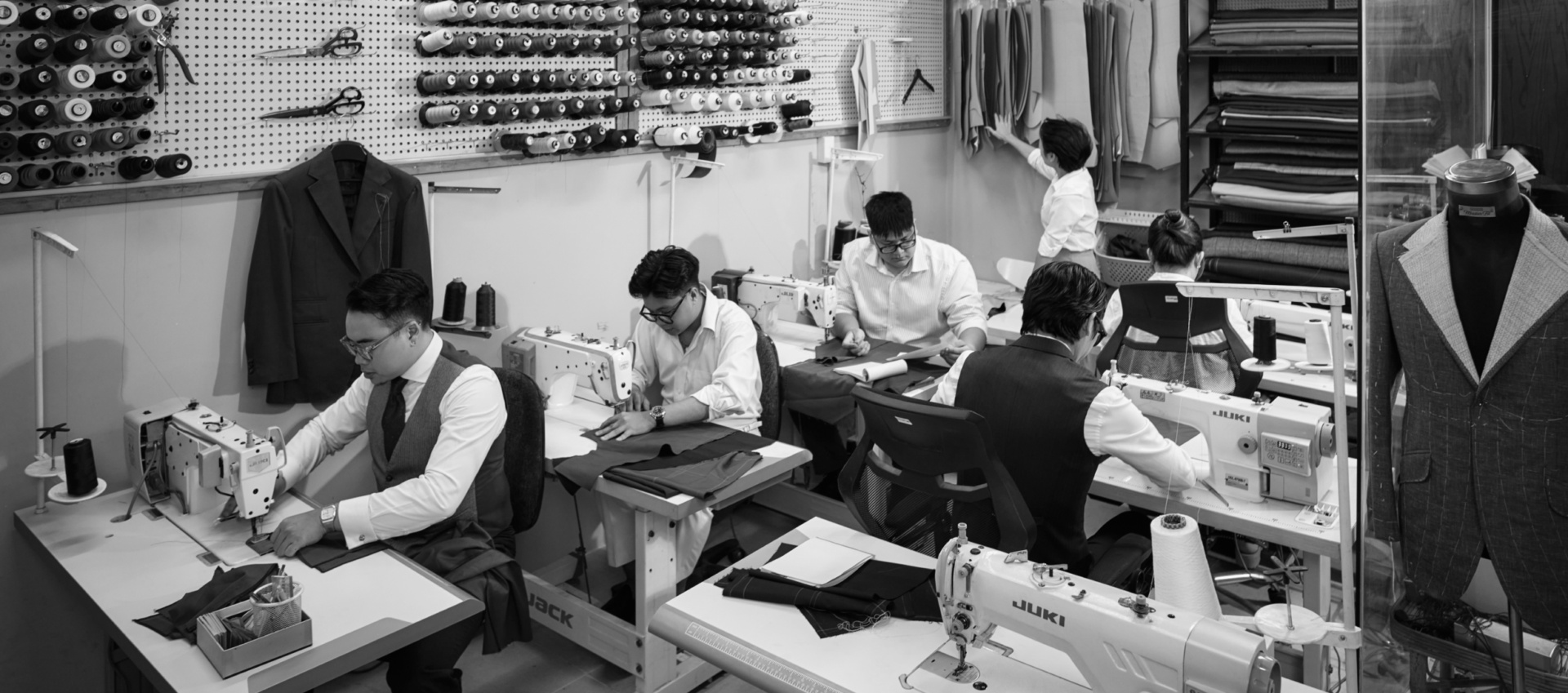
A good bespoke production partner is quiet in the background. Your client sees your shop, your advice and your fitting. The work behind it should simply arrive right, order after order.
Who works with a tailoring manufacturer in Vietnam?
Most of our partners are tailors who already have clients but no workroom of their own. Others are growing faster than their local workshop can sew. A smaller group are brands and boutiques that want made-to-measure without building a factory.
- Independent tailors who measure and fit, and want a steady workshop behind them.
- Boutiques and brands adding made-to-measure suits or shoes to their range.
- New tailoring businesses that need production and advice in their first year.
- Companies that need uniforms or matching team suits.
Why a tailoring manufacturer in Vietnam? The country has deep garment skills and a full supply chain. Vietnam is one of the largest textile and garment exporters in the world, with spinning, weaving and garment making all in one country.
How does an order move from your client to our workshop?
With a bespoke production partner, an order follows the same seven steps every time. Each step has one owner, so nothing falls between two desks.
- You measure and photograph the client. Body measurements, front, side and back photos, and notes on posture and preferences.
- You send the order form. Style, cloth, lining, buttons, construction and any special requests.
- We check and confirm. A cutter reads every number. If something looks unusual, we ask before we cut.
- We draft the pattern and cut. The pattern is drawn for your client’s body, not adjusted from a stock size.
- We make the garment. Canvas, pockets, sleeves, collar and hand finishing at the bench.
- We check, press and pack. Every piece is checked against the order before it leaves the workshop.
- You fit and deliver. Your client tries it on with you, you make any final refinements, and the suit goes home.
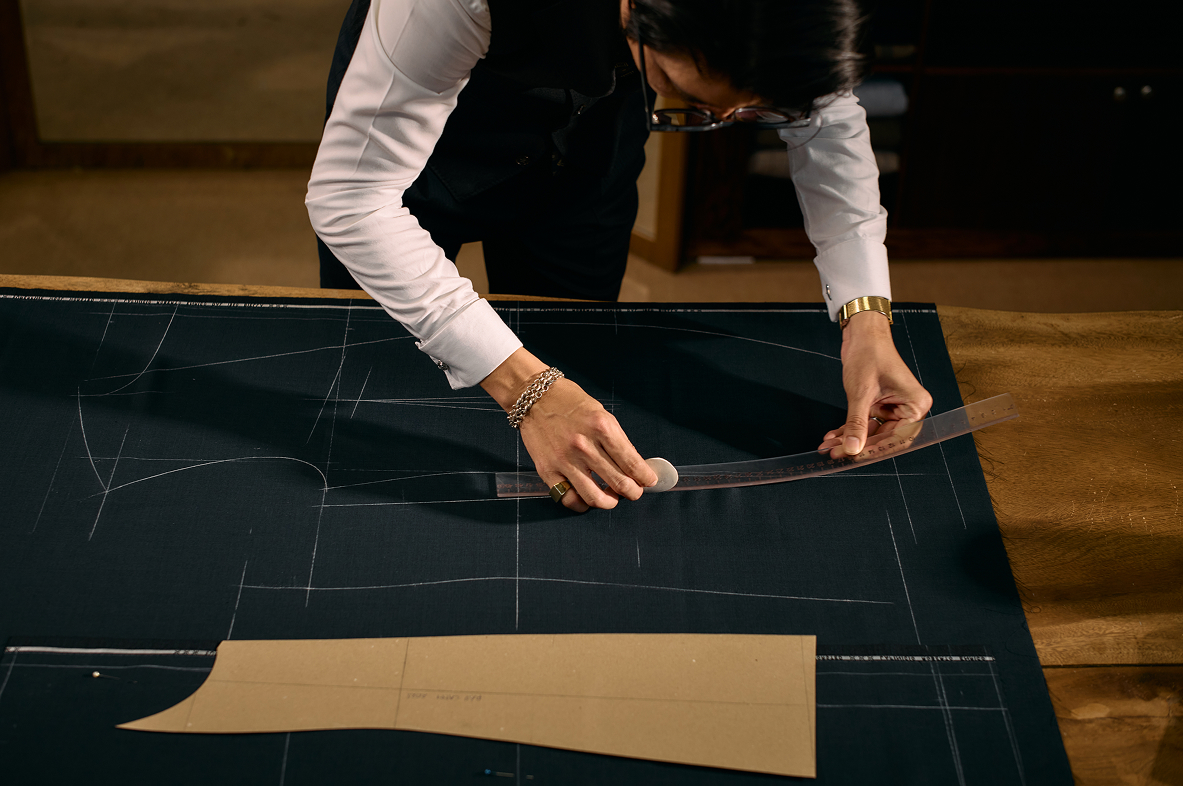
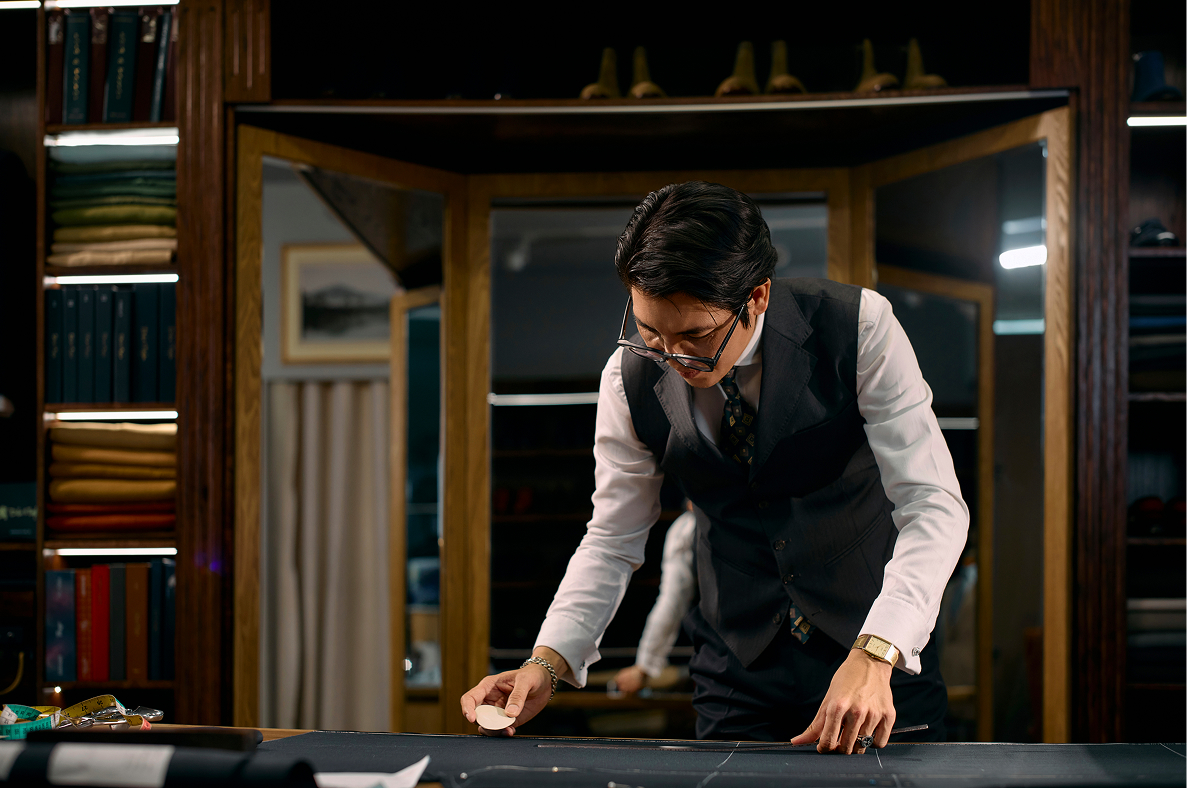
We also make for partners from cut pieces. If you cut in your own shop, our handcrafted assembly service sews and finishes the pieces you send.
Why use a bespoke production partner instead of your own workroom?
A workroom needs cutters, tailors, machines, pressing tables and steady orders to keep everyone busy. For many tailors, that is a heavy cost in a slow month. A bespoke production partner lets you pay per order instead.
There are trade-offs, and it is better to name them. Shipping adds time between measuring and fitting. You give up some day-to-day control of the bench. And you need to trust that the workshop reads your notes the way you meant them.
- Good fit for a partner: you have clients and fitting skills, but not enough steady work for a full workroom.
- Good fit for a partner: you want to add shoes or a higher construction level without hiring new skills.
- Better in-house: most of your clients need a finished suit within a few days.
- Better in-house: your house style depends on one cutter you already employ.
Who does what? A quick table
This is how we split the work as a bespoke production partner for most tailors. Some move a step to their side, and that is fine as long as we agree it at the start.
| Step | Who owns it |
|---|---|
| Consultation, measuring, photos | You |
| Cloth, style and construction choices | You, with our advice |
| Checking numbers before cutting | Our cutter |
| Pattern drafting and cutting | Our workshop |
| Making and hand finishing | Our workshop |
| Final check, pressing, packing, shipping | Our workshop |
| Final fitting and delivery | You |
What should you send with each order?
Good numbers are the most useful thing you can give a bespoke production partner, because they prevent remakes. Most problems we see come from a missing photo or an unclear note, not from a wrong measurement.
- Body measurements, taken close to the body, without extra ease added.
- Three photos: front, side and back, standing relaxed in fitted clothes.
- Posture notes: sloping or square shoulders, a forward stance, one shoulder lower.
- Fit preference: close, regular or relaxed, in the client’s own words if possible.
- Style sheet: lapel, buttons, vents, pockets, trouser details, lining.
- A reference garment the client loves, if there is one, with its measurements.
When you start with us, we agree one measuring method and one order form, so that your team and our cutters use the same language. Our guide to working with a made to measure manufacturer, from order form to workshop walks through each step.
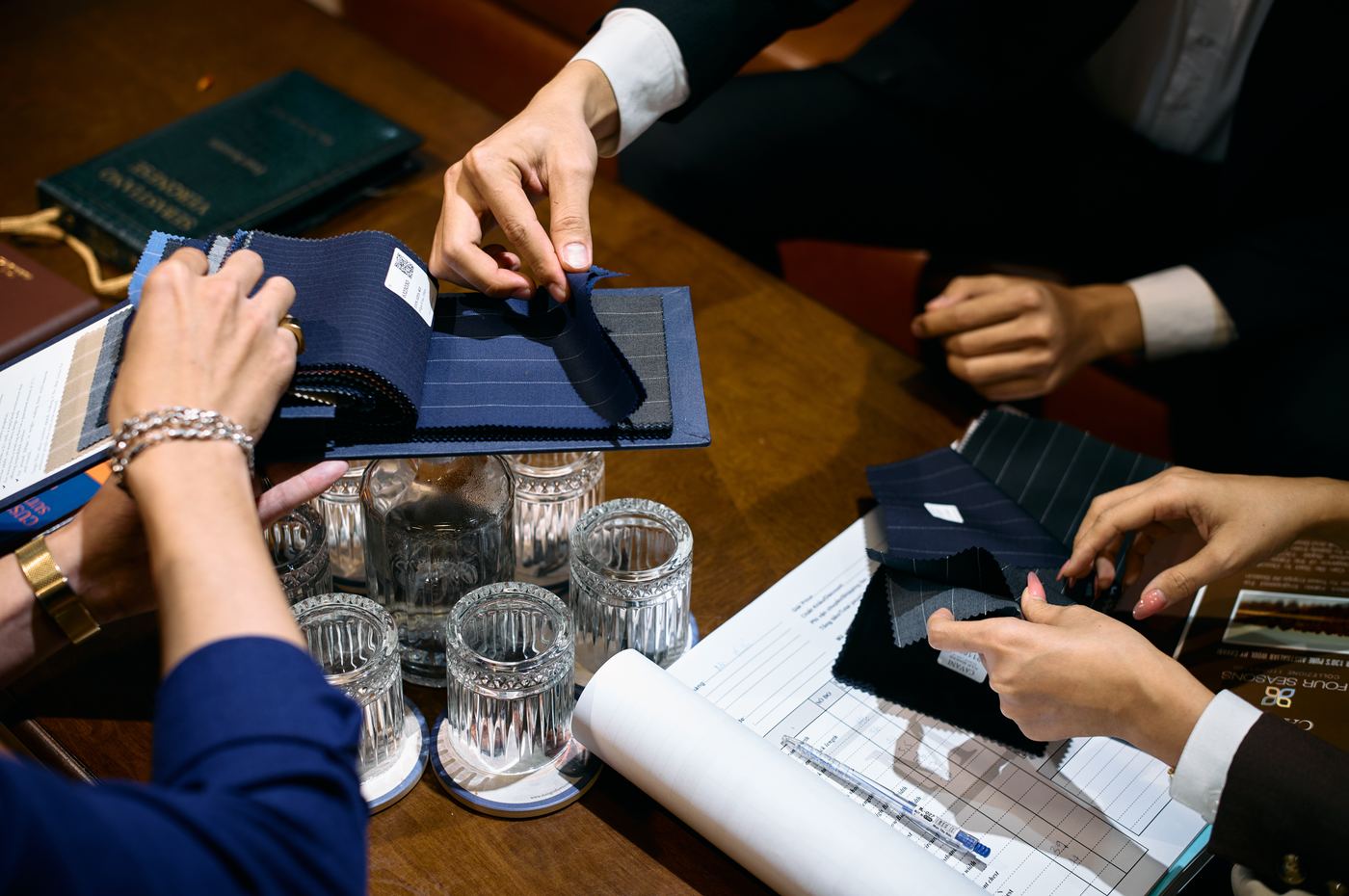
Which construction can you offer your clients?
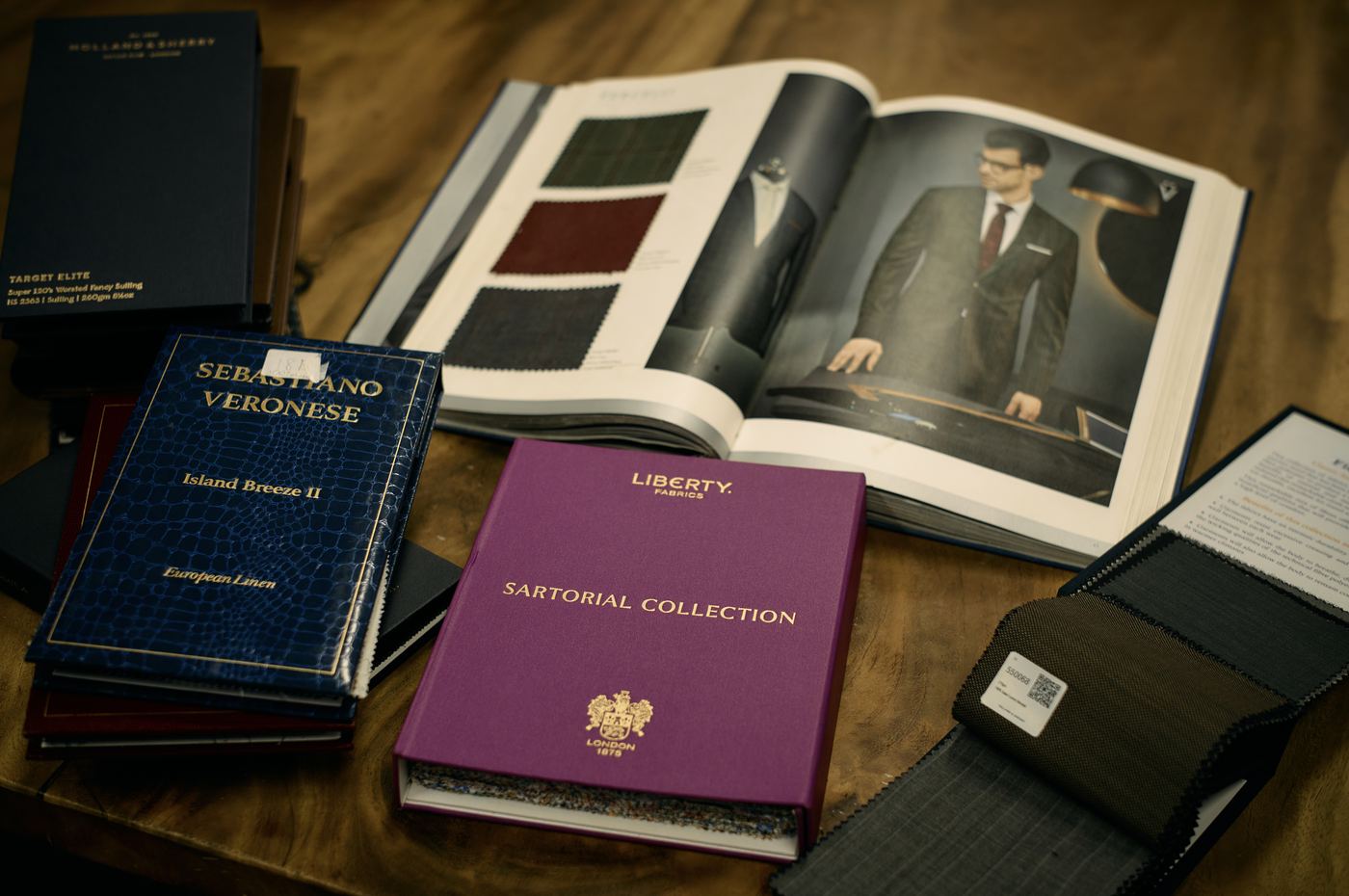
As a bespoke production partner, we make full canvas, half canvas and fused jackets, so you can offer your clients a real choice. Each one has its place, and the right one depends on the client, the cloth and the budget.
| Construction | What your client gets |
|---|---|
| Full canvas | Soft, shapes to the body over time; for clients who want the most natural drape |
| Half canvas | Canvas in the chest and lapel, fused below; a light, balanced choice for everyday suits |
| Fused (high-quality fusing) | Clean and stable; good value for work suits and uniforms |
Climate matters too. Partners in hot countries often ask for lighter cloth and less structure, and we have a guide on linen, cotton and tropical wool for hot weather that you can share with clients.
Where does hand finishing make a difference?
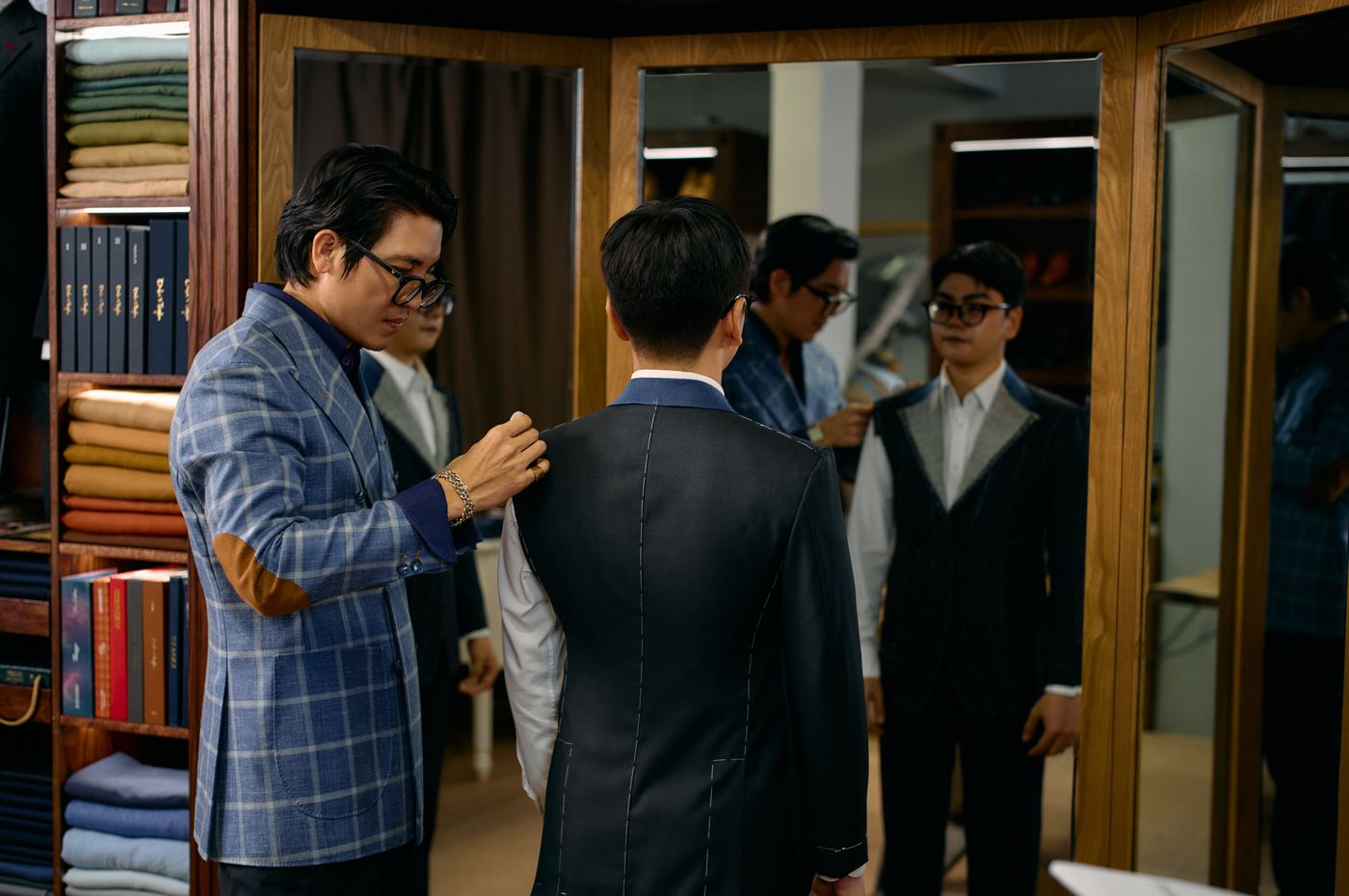
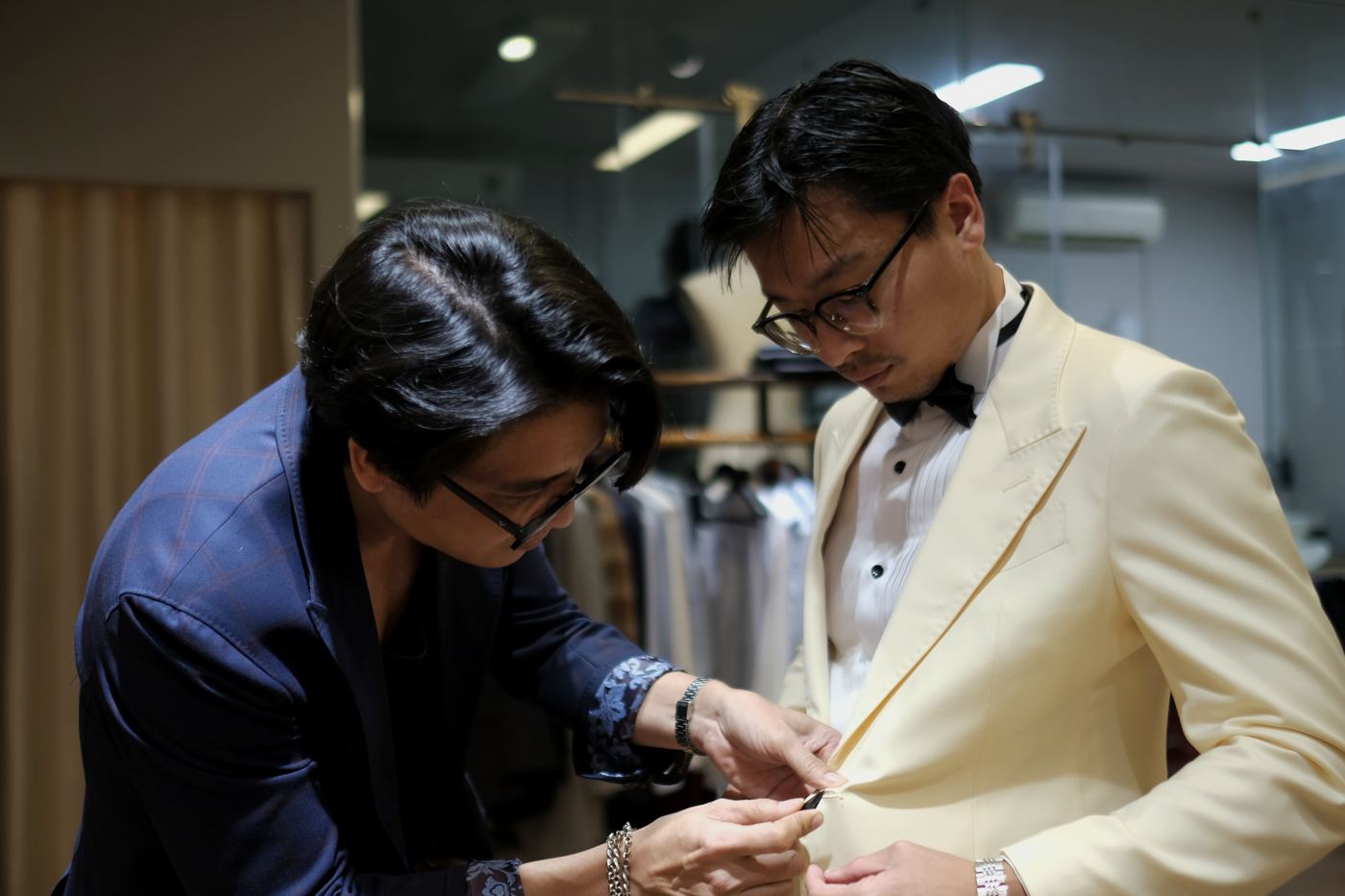
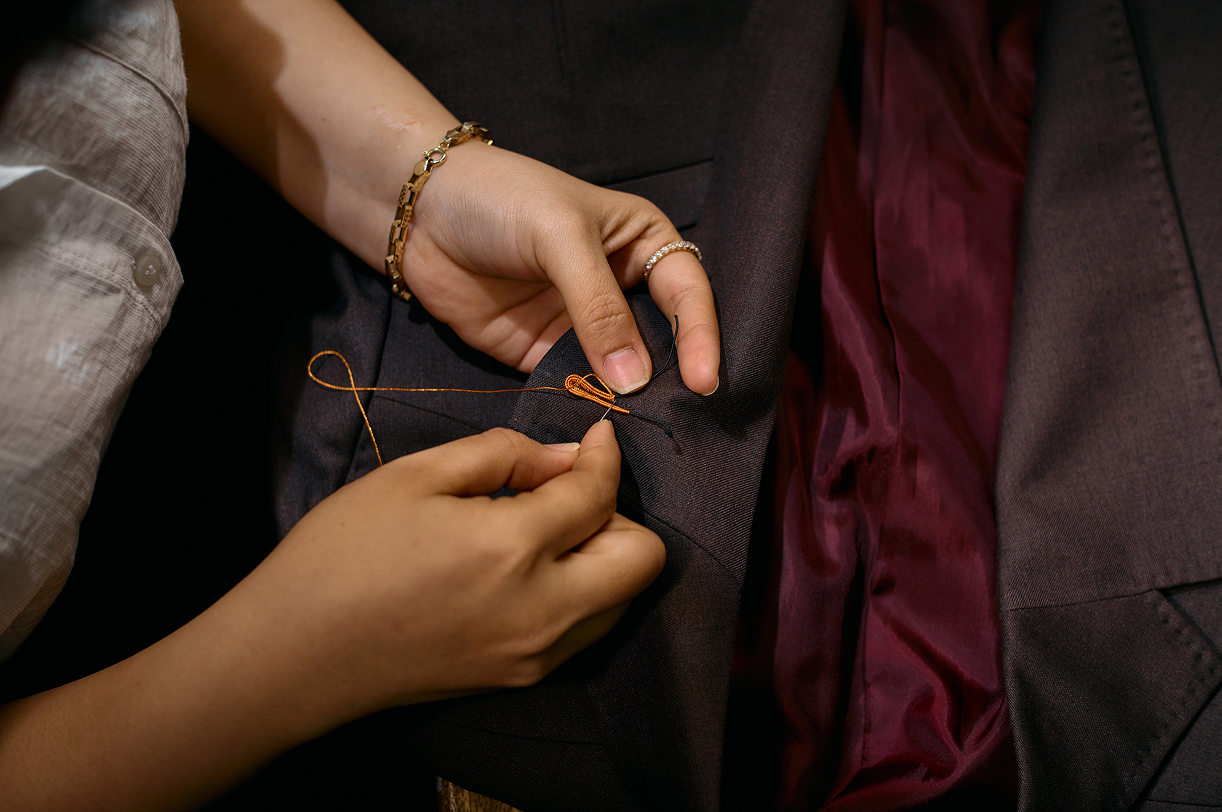
A hand finished suit is not about stitching everything by hand. It is about putting hand work where the client can feel it. Collars, sleeve heads and the edges of the lapel sit better when they are shaped and sewn by hand.
In our workroom, a tailor shapes the collar over a pressing ham before sewing it down by hand. The same goes for the sleeve head, which is eased in by hand so it falls clean. Those few hours are what the client notices when they move.
Tell us where you want hand work, and where machine work is fine. That lets you offer two or three levels to your clients, with a clear difference between them. Our bespoke tailoring service for partners covers both.
Can the same workshop make shoes?
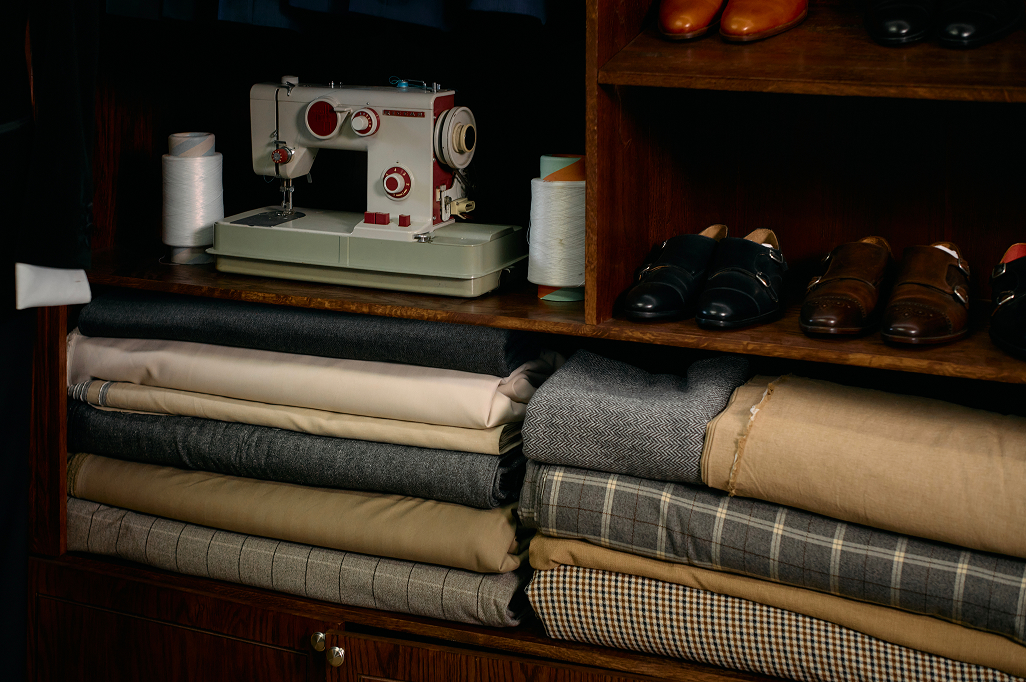
Yes, and for many tailors a bespoke production partner that also makes shoes is the reason they stay. ManGii started as a shoemaker in 2015, and our shoe workshop sits next to the tailoring workroom.
We make Goodyear welted and Blake stitched shoes, monk straps included. You can offer a full outfit, measured and made by one partner, shipped in one parcel. Our guide for tailors on working with a custom shoe manufacturer covers the details.
What are the common mistakes that lead to remakes?
Most remakes start long before cutting. These are the ones we see most often, and each one is easy to avoid.
- Measuring over a jacket or thick jumper. The numbers grow, and the finished suit looks loose.
- Adding ease twice. If you add room to the numbers, tell us, or we add it again at the pattern.
- No side photo. Posture is hardest to read from numbers alone, and the side view shows it best.
- Vague fit words. “Slim” means different things in different markets. Describe it, or send a reference garment.
- Changing the style after cutting. A new lapel or pocket after the cloth is cut often means new cloth.
If a remake does happen, the cause is almost always in one of these five. That is why we read every order before cutting, and why we ask questions.
How do you keep the fit consistent across orders?
Consistency with a bespoke production partner comes from feedback, not luck. After each fitting, tell us what you changed and why. A sentence like “took 1 cm off the waist, client likes it closer” helps us cut the next order closer to your eye.
- Start small. A first order of one or two garments shows how our cut meets your clients.
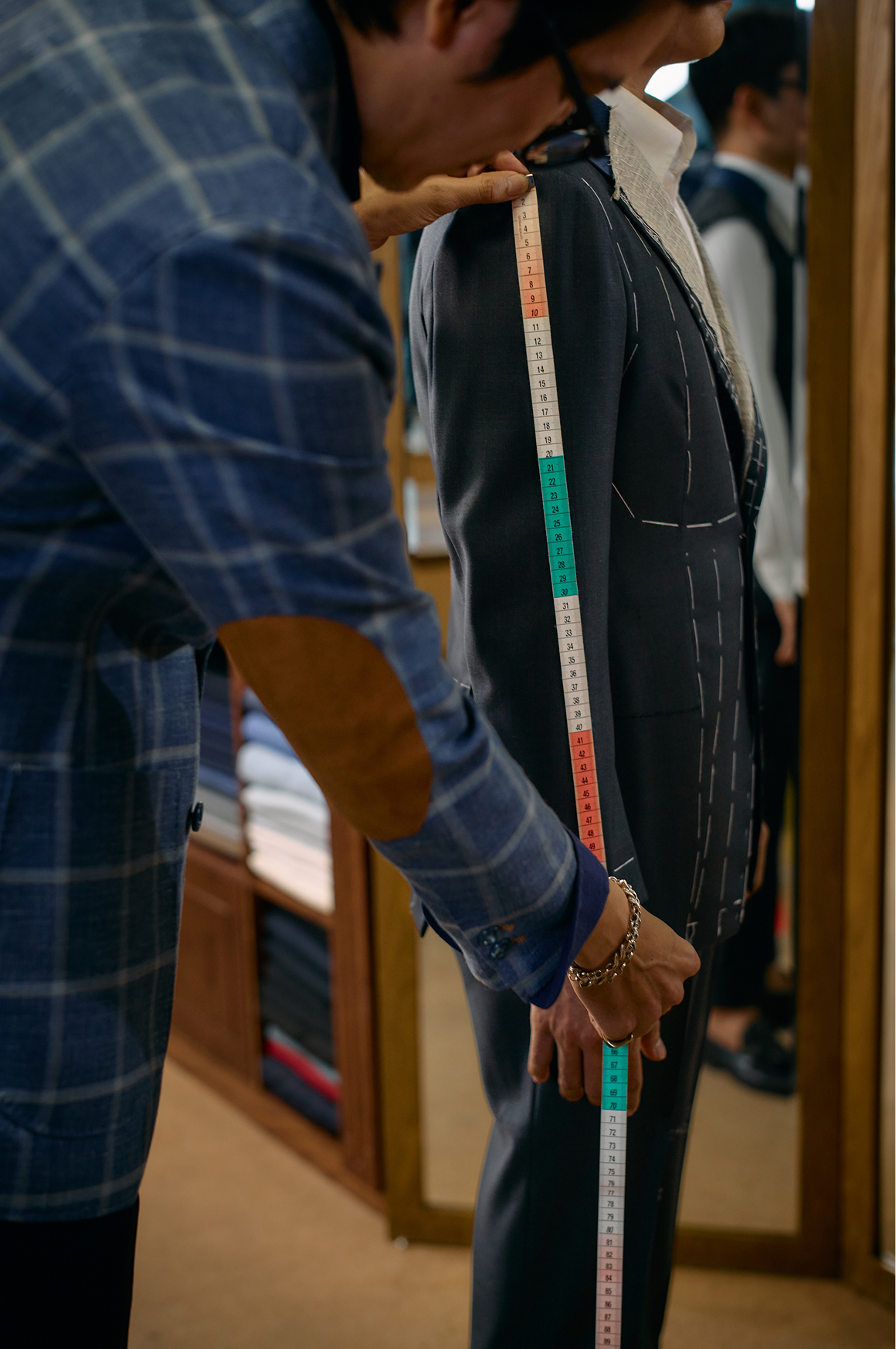
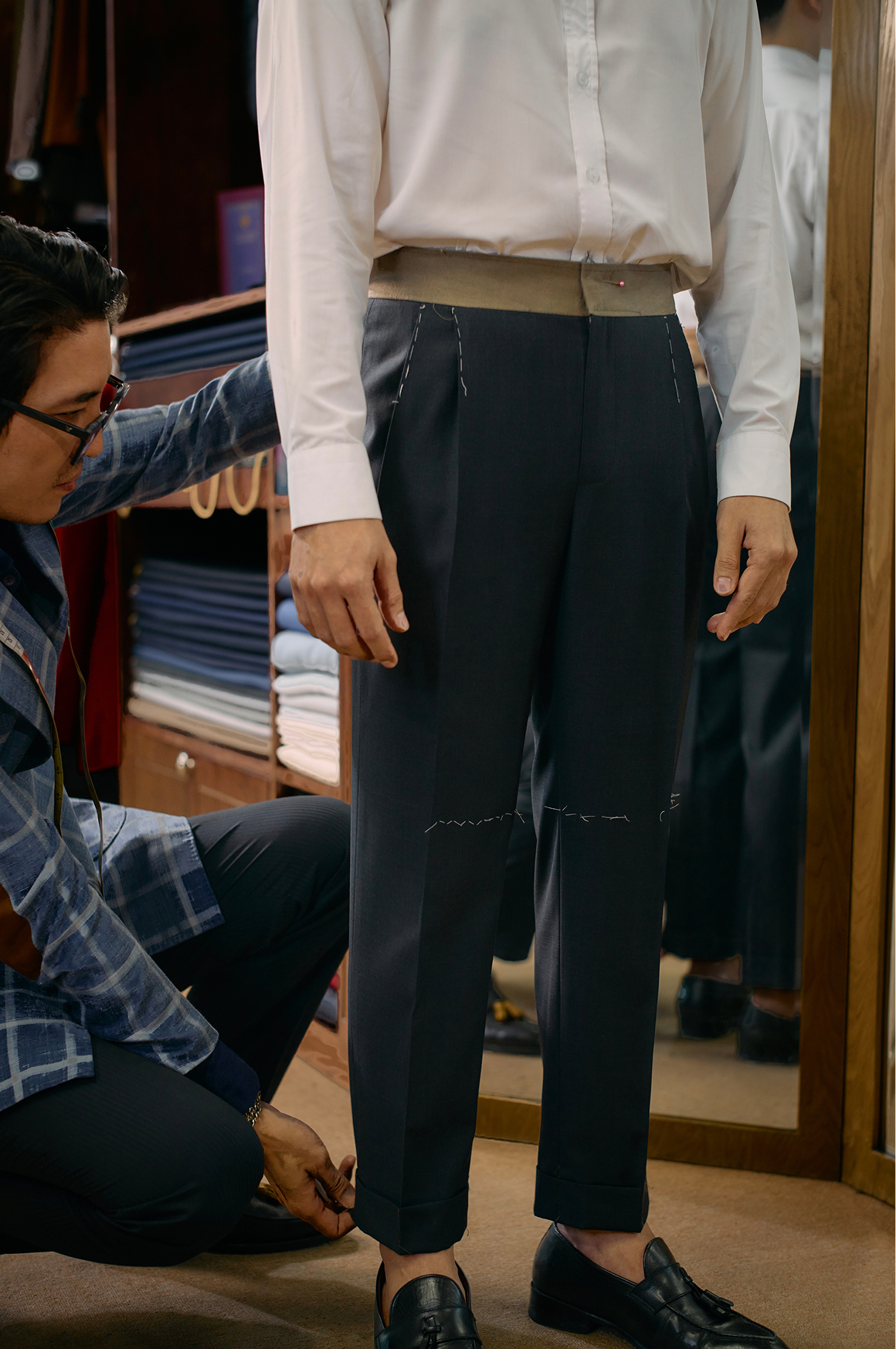
- Share photos of the fitting. Front, side and back, with the client in the finished suit.
- Write down your house style. Shoulder line, button stance, trouser rise and break.
- Use one order form. The same fields in the same order, every time.
How does communication work across time zones?
Most tailors talk to us, their bespoke production partner, on WhatsApp and email. Short, written messages work best across time zones, because both sides can read them again before acting.
We confirm every order in writing before cutting: cloth, style, construction and any special notes. If a number looks unusual, we ask first, because a question costs a day and a recut costs far more.
Prices are quoted per order, because the cloth, the construction and the quantity change the cost. You know the full price before anything is cut. Around the Lunar New Year, plan a little earlier; our guide to Vietnam Tet production explains why.
How do you choose a bespoke production partner?
Ask direct questions, and expect direct answers. A good workshop is happy to explain where and how your garments are made.
- Where is the cutting and sewing done? In their own workshop, or passed on to another?
- Who checks the numbers? Is there a cutter who reads every order before cutting?
- Can you see the work? Ask for a sample, photos of the inside of a jacket, or a small first order.
- What happens when something is wrong? Agree how fixes work before you need one.
- Do they make shoes too? One partner for suits and shoes keeps your offer simple.
- Will they be honest with your clients? Be open about where garments are made; clients respect it.
If a bespoke production partner avoids any of these questions, take note. Clear answers now save remakes later.
For a longer checklist, read our guide to choosing a tailoring production partner: 12 questions to ask.
How we do it at ManGii
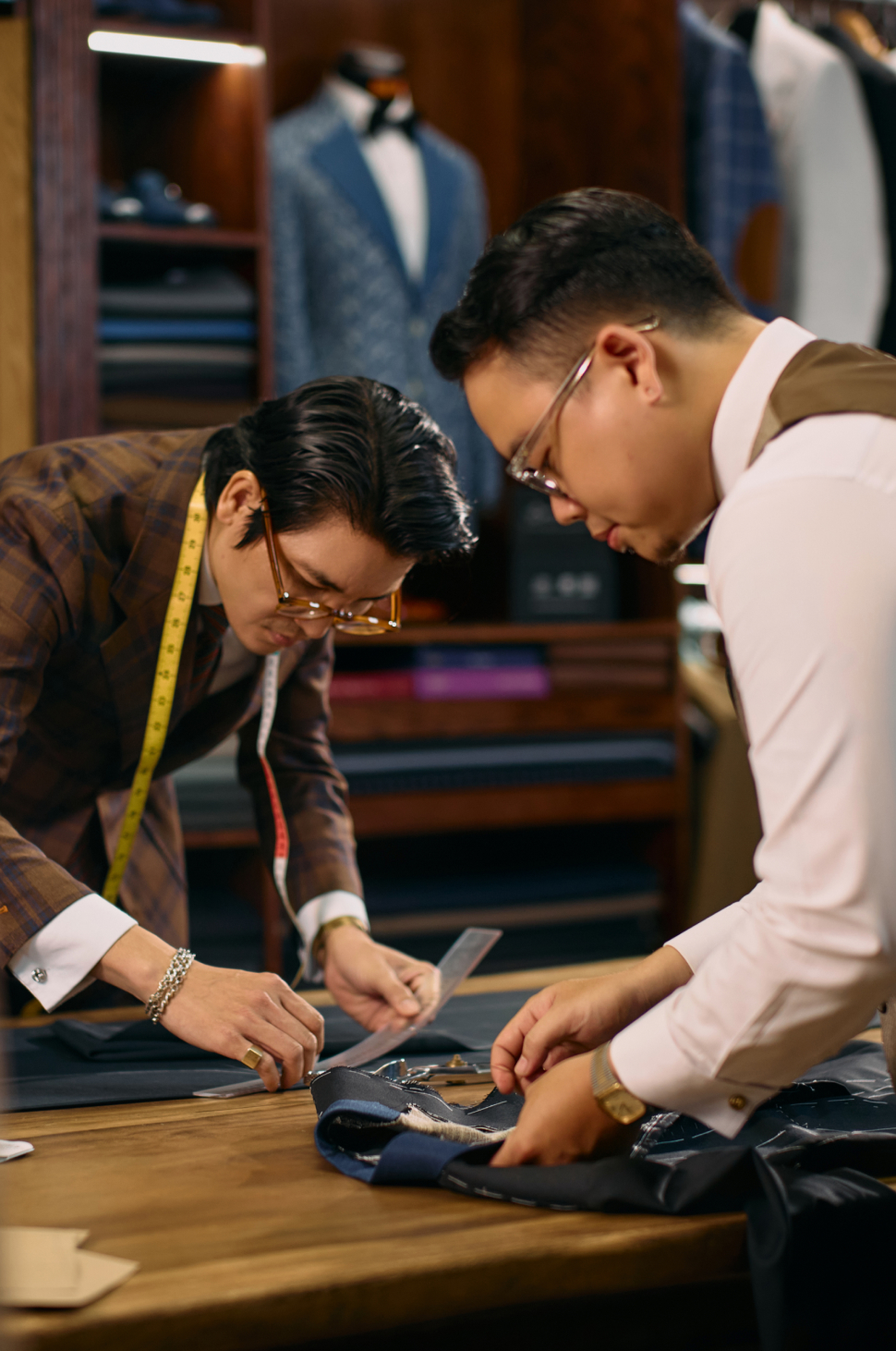
As a tailoring manufacturer in Vietnam, we have cut and sewn in our own workshops in Saigon since 2015, with a tailoring workroom and a shoe workshop under one roof. Today we make for 18 partner tailoring houses in six countries on three continents.
In more than ten years we have dressed 35,000+ clients and made 120,000+ tailored pieces, in our own shop and through our partners. You can read more about our workshop and how we started.
What if you are opening a tailoring business?
Some tailors chose us as their bespoke production partner before they had a shop. If you are starting out, production is only one part of the job. Choosing cloth, setting prices, measuring well and running fittings all take practice.
Our business consulting for new tailoring shops helps with those first steps, and our workshop can make your first orders while you build a client list. If you want to see how our own shop works with clients in Saigon, read our guide to getting a suit made in Saigon.
At a glance: working with a bespoke production partner
| Topic | In short |
|---|---|
| What you send | Measurements, three photos, posture and fit notes, style sheet |
| What we make | Suits and shoes, in full canvas, half canvas or fused |
| Where it goes | Shipped worldwide to your shop for the final fitting |
| How it is priced | A clear quote per order, before cutting |
| How to start | A small first order with your bespoke production partner, then feedback |
Frequently asked questions
What is a bespoke production partner?
A bespoke production partner is a workshop that cuts and makes garments for another tailor, from that tailor’s own measurements and style notes. You keep the client and the fittings. We do the cutting, sewing, pressing and shipping.
Do I need my own pattern cutter to work with you?
No. Most tailors send their bespoke production partner body measurements, photos and fit notes, and our cutters draft the pattern in our workshop. If you already cut your own patterns, we can talk about working from those instead.
Can you make shoes as well as suits?
Yes. We have our own shoe workshop next to the tailoring side, and we make Goodyear welted and Blake stitched shoes for partners as well as for our own clients in Saigon.
How do you price partner orders?
As with any bespoke production partner, every order is quoted on its own, because the cloth, the construction and the quantity change the cost. Send us the details and we will reply with a clear quote before anything is cut.
Which countries do you ship to?
We ship finished garments worldwide. Our 18 partners today work in six countries on three continents, and we plan packing and transport around each partner’s location.
What happens if a garment needs adjusting?
Small refinements are normal and are part of your final fitting. If something is clearly off, tell us what you see, with photos, and we will agree the fix with you before the next step.
Can you help if I am only starting a tailoring business?
Yes. Alongside production we offer business consulting for people opening a tailoring shop, from choosing a first range of cloths to setting up a simple order process.
Do you only work with tailors in Asia?
No. Our partners are spread over three continents. Distance changes the shipping plan and the time zone for messages, not the way we cut and make.
Work with us
If you are looking for a bespoke production partner for suits or shoes, write to us with a few lines about your business and your clients. We will reply with how we can work together and a quote for a first order.